




Thread Count Explained: What Does TC Mean on Bedding?
Updated September 2026.
Short answer: TC means thread count: the number of threads in one square inch of fabric, warp and weft combined. The number shows how densely the fabric is woven, but more is not automatically better. Fibre length and weave matter more: a 200 TC percale of good cotton can feel better and last longer than a sheet with a far higher number.
What does TC mean on bedding?
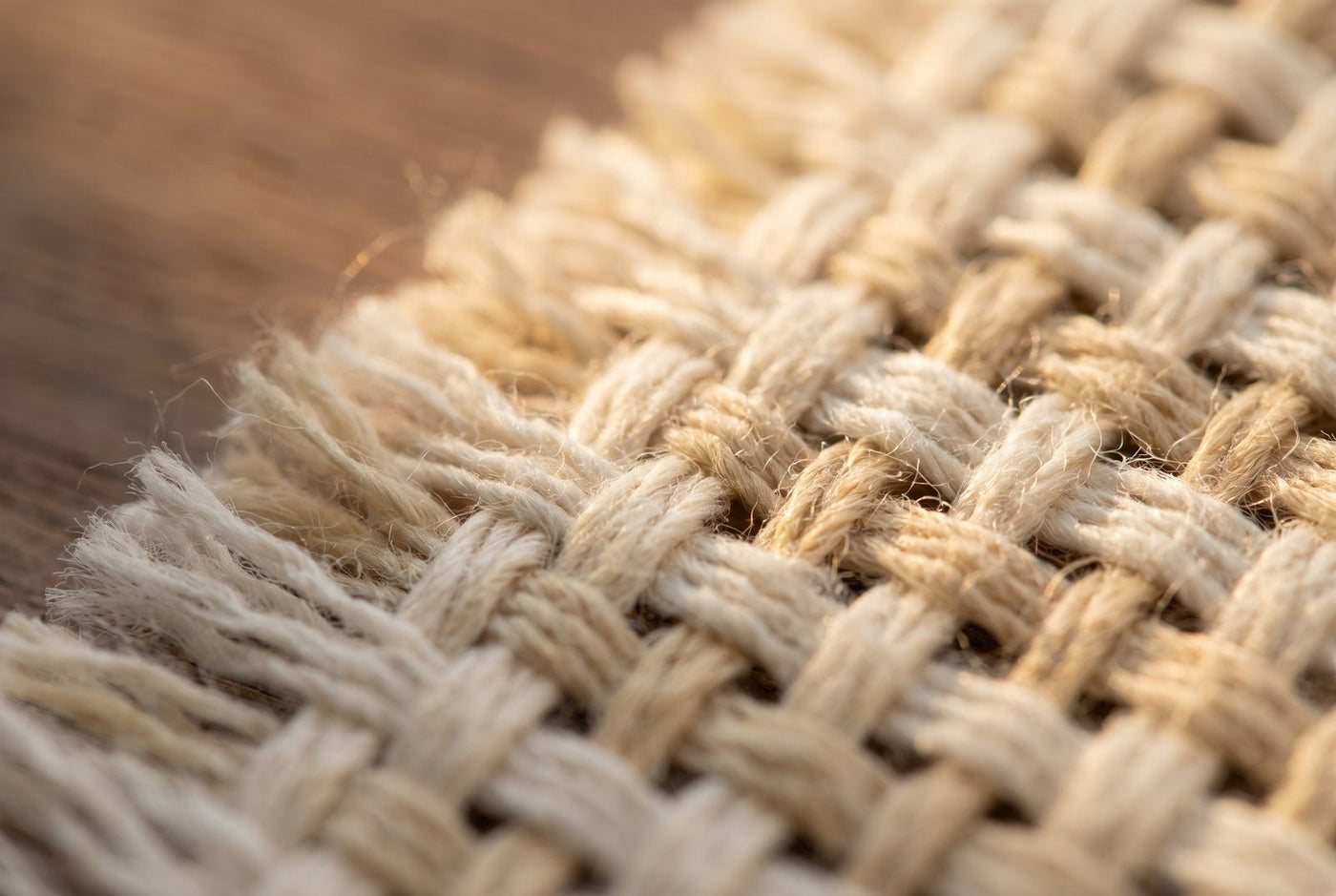
TC is short for thread count. According to the accepted definition, it is the number of threads in one square inch of fabric, counting both the lengthwise (warp) and widthwise (weft) threads. A fabric with 100 threads lengthwise and 100 widthwise therefore has a thread count of 200.
The number measures density, not quality. Density affects how the fabric drapes, how smooth it feels and how well it breathes, but it says nothing about which cotton the thread is spun from or how the thread is made.
What is a good thread count?
There is no magic number, but there are benchmarks. According to the same source, standard cotton is around 150, good-quality bedding starts at about 180, and from about 200 a tight plain weave counts as percale. Experts say no quality difference can be felt above about 400.
| Thread count | What it usually means |
|---|---|
| Around 150 | Standard cotton fabric |
| 180 and up | Good-quality bedding |
| 200 and up | Percale, a tight, crisp plain weave |
| 300 to 400 | Dense, soft weave, often in finer fibre |
| Over 500 | Often double-counted multi-ply threads |
Which number is right depends on the weave. Percale lives on crispness and coolness and performs best around 200. A denser weave in finer fibre can justify 300. Read more about the crisp weave in What is percale?
Why is more not always better?
There is a physical limit to how many threads fit into a square inch. To go higher, the threads must be made thinner, and thinner threads of shorter fibre are weaker. A very dense fabric also often becomes heavier and warmer, because air has a harder time passing through. So the benefits level off long before the numbers stop rising.
A sheet with a moderate thread count, spun from long fibre, can therefore feel softer, cooler and last longer than a sheet whose number has been pushed up.
The double-counting trick
The most common pitfall is multi-ply threads. A thread can be single or made of several thin threads twisted together. Industry practice is to count each finished thread as one, even if it is two- or three-ply. But inflated thread counts often arise precisely by counting each strand of a twisted thread separately, and counts over 500 are often based on that kind of counting.
Example (simplified): a fabric with 250 two-ply yarns lengthwise and 250 widthwise has an honest thread count of 500. Count each strand separately and it suddenly reads 1,000 on the packaging, without the fabric being any better. If you see four-digit numbers, there is reason to be sceptical.
Fibre and weave matter more
Two things weigh more than the number. The first is the fibre: a long staple gives a more even, stronger and finer yarn, and with it a softer surface and better durability. Supima cotton is one example of an extra-long-staple cotton; more in Supima cotton: why it is considered the finest.
The second is the weave. Percale, over one and under one, gives a cool, crisp, matte fabric and needs no extreme thread count. A satin weave, where the thread floats over several threads before turning, gives a softer sheen and usually has a slightly higher count. So the same number means different things in different weaves.
In Boe's range, Ralph is percale at 200 TC and Regency Lee is Supima cotton at 300 TC. Both are certified to OEKO-TEX Standard 100, a label about harmful substances, not thread count. The difference between them is feel, not a better or worse number; see Percale or Supima.
How to read the thread count
- Decide on the feel first. Crisp and cool, or soft and smooth. That decides the weave.
- Look at the fibre. 100 percent cotton, ideally long-staple, matters more than a high number.
- Read the number in context. Around 200 is right for percale, around 300 for a denser weave in fine fibre.
- Be sceptical of four-digit numbers. They are often based on double-counted twisted threads.
- Check the certification. OEKO-TEX tells you about the content, thread count about the density.
Frequently asked questions
What does TC mean on bedding?
TC stands for thread count: the number of threads in one square inch of fabric, lengthwise and widthwise combined. It measures how densely the fabric is woven, not quality in itself.
What is the best thread count for sheets?
There is no magic number. Good-quality bedding starts around 180, percale performs best around 200, and a denser weave in fine fibre can justify 300. Above about 400 there is rarely any noticeable difference.
Is a 1,000 thread count sheet better than a 300 one?
Not necessarily, often the opposite. Very high counts often come from counting each strand of multi-ply threads separately. A 300 thread count sheet of fine cotton can feel softer and last longer.
Why does Ralph have only 200 thread count?
Because percale is made for it. Percale is a tight plain weave that lives on crispness and coolness, and around 200 gives exactly that feel. A higher count would make the fabric heavier and warmer.
Does OEKO-TEX say anything about thread count?
No. OEKO-TEX means the textile is tested for harmful substances. It is a label about content and says nothing about how densely the fabric is woven.
Our advice
Do not let a number choose for you. First decide how you want the bed to feel, then choose weave and fibre, and read the thread count last. For a crisp, cool bed, Ralph in percale at 200 TC is right. For the softest, Regency Lee in Supima cotton at 300 TC is right. To keep your bedding in good shape for years, see our bedding care guide.