







How often should you change your bedding? Sheets, pillowcases, duvet and pillow
Updated September 2026.
Short answer: change and wash sheets and pillowcases about once a week, the duvet cover every other week, and the duvet and pillow themselves a few times a year. If you sweat a lot, have allergies or sleep with pets in the bed, change more often. Well-made cotton bedding lasts for many years, and care more than age decides when it is time to replace it.
How often should you change your bedding?
The simple rule is once a week for everything closest to your body. During the night your skin releases moisture, skin cells and oils that collect in sheets and pillowcases, and a weekly routine keeps the bed fresh without turning it into a project. The American Sleep Foundation reaches the same conclusion: most people should wash sheets and pillowcases once a week. Here is the whole bed:
| Item | Change or wash | Wash temperature |
|---|---|---|
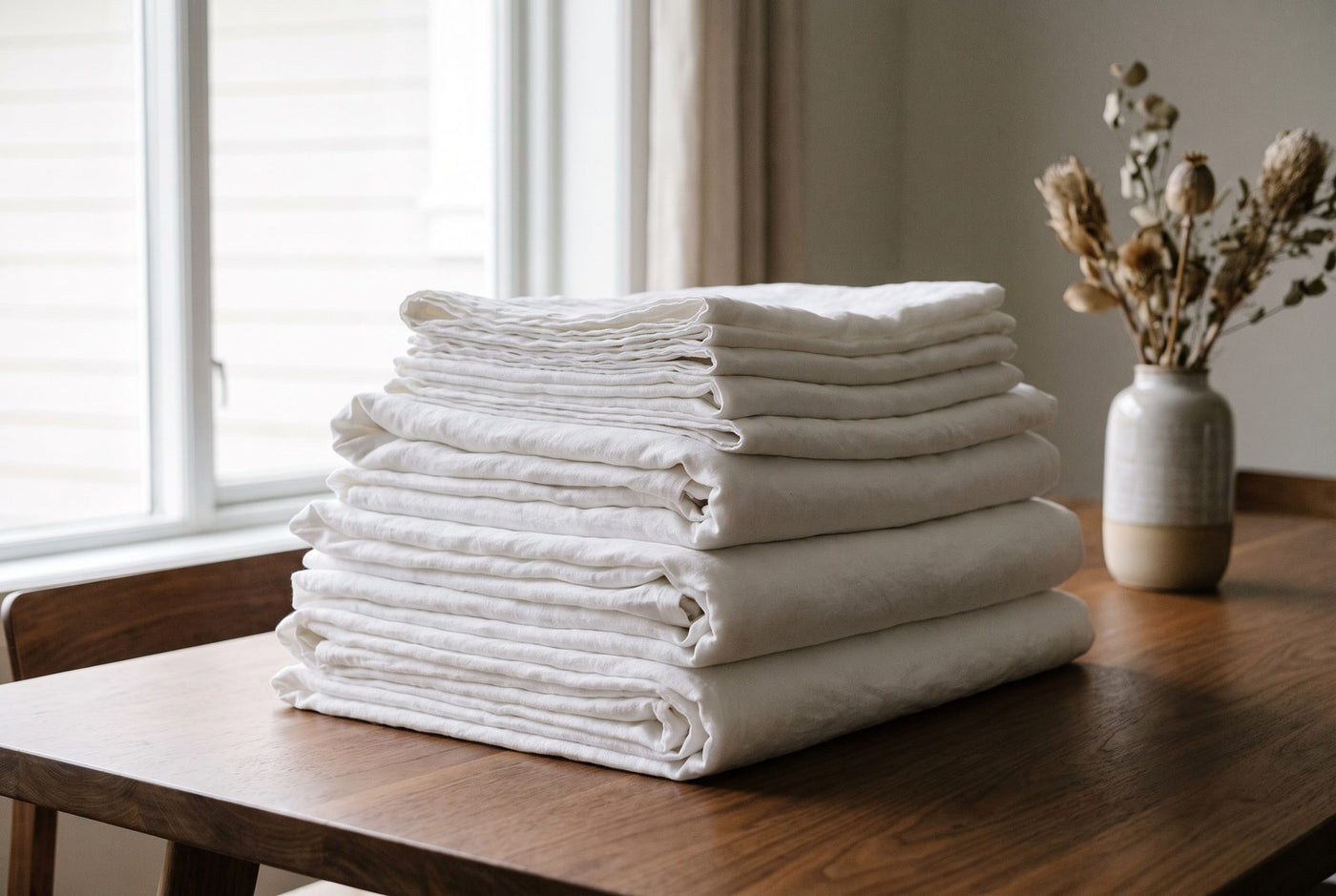
| Sheets and fitted sheets | Every week | 60 °C |
| Pillowcases | Every week, ideally more often | 60 °C |
| Duvet cover | Every other week | 60 °C |
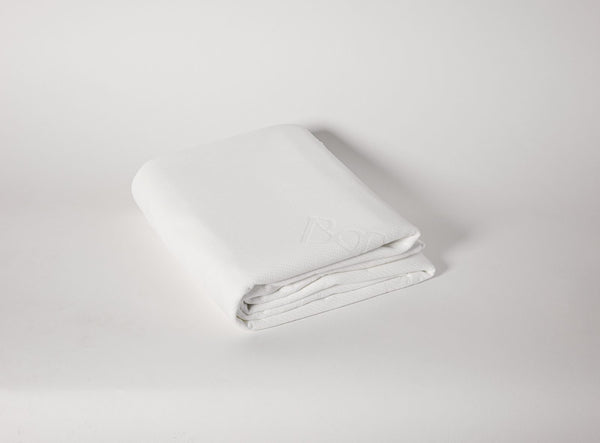
| Mattress protector | About once a month | As per label |
| Pillow | A few times a year | As per label |
| Duvet | Once or twice a year | As per label |
How often should you wash sheets and pillowcases?
Every week, and the pillowcase ideally a little more often. It rests against your face and hair night after night and picks up skincare, make-up and hair products. That is why many people keep a spare pillowcase to swap mid-week. The sheet takes up the most moisture during the night, so it is the most important to wash regularly.
The same goes for fitted sheets and flat sheets, even when they look clean. What you cannot see is what weighs them down: moisture and skin oils make fabric grey and rough over time if it is left too long between washes. A fixed weekly change is as much care for your bedding as it is for you.
When should you change more often?
When the bed is exposed to more than usual. That applies if you:
- sweat a lot or sleep warm, for example in summer,
- have allergies or sensitive skin,
- share the bed with a dog or cat,
- sleep with skincare, make-up or hair products,
- have been ill.
Then every third or fourth day may suit you better. If you have a dust mite allergy, temperature matters too: the Swedish health service 1177 recommends washing sheets at 60 °C and washing pillows and duvets at 60 °C regularly. How material choice and routine work together is explained in our guide to allergy-friendly bedding.
How often should you wash a duvet and pillow?
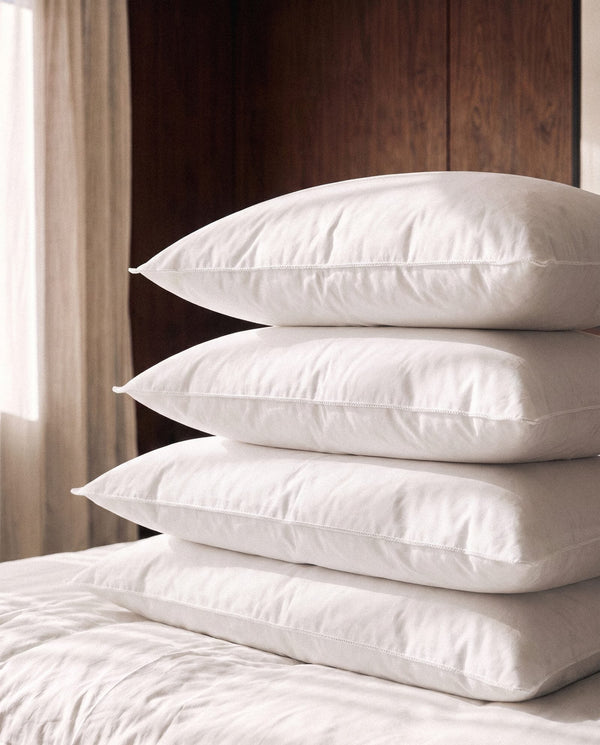
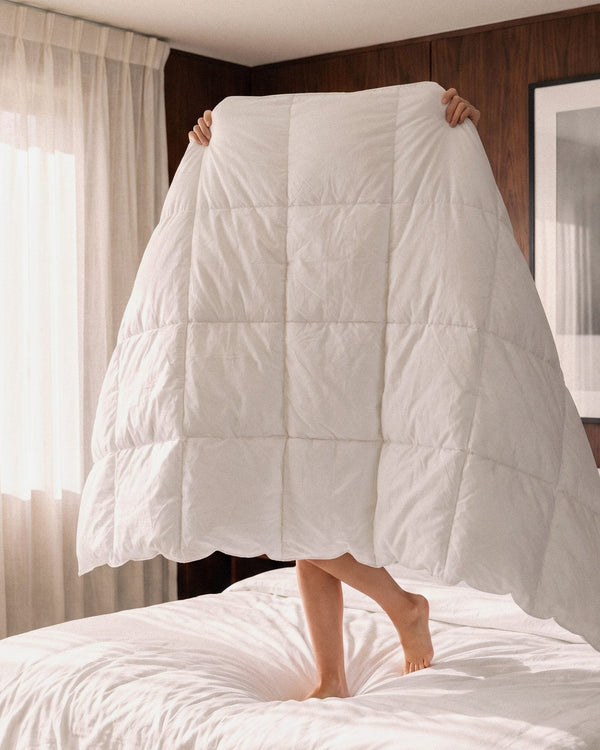
Much less often than the covers. The duvet and pillow are protected by the duvet cover and pillowcase, so for most people it is enough to wash the pillow a few times a year and the duvet once or twice. In between, shake and air them. How to wash and, above all, dry down so it doesn't clump is covered in How to wash a down duvet and pillow. A feather mattress topper like the Cody Lamont cannot be washed at all; protect it with a mattress protector.
How long does bedding last?
Well-made cotton bedding lasts for many years. Dense percale in long-staple cotton becomes softer and more supple with every wash, and the extra-long fibres of Supima cotton are known for their strength and sheen. How long a set lasts is decided in practice by care: the right temperature, sparing detergent, no fabric softener and drying without unnecessary heat. Rotating between two or three sets, so no single set is washed every week all year, is one of the simplest ways to extend its life. Here is how you know it is time to replace it:
- The weave becomes thin or see-through, usually in the middle of the sheet.
- Holes, wear or frayed seams appear that cannot be mended.
- The fabric feels rough and lifeless despite proper washing.
- The elastic in the fitted sheet has lost its stretch.
- Stains or odours remain after washing.
How to build a routine that lasts
- Keep at least two sets per bed. Then you change straight away and wash at a calm pace. A complete bedding set makes the swap easy.
- Pick a changing day each week for sheets and pillowcases, and every other week for the duvet cover.
- Air the bed every morning. Pull back the duvet for a while before making the bed so moisture can evaporate.
- Wash at 60 °C with mild detergent and no fabric softener, and follow the label.
- Note when you washed the duvet and pillow, so it happens a few times a year.
More washing and drying advice per product is in Bedding care.
Frequently asked questions
How often should you change your bedding?
Sheets and pillowcases about once a week, the duvet cover every other week. If you sweat a lot, have allergies or sleep with pets, change more often, ideally every third or fourth day.
How often should you wash pillowcases?
At least once a week. Since the pillowcase rests against face and hair, many people change it more often than the rest, for example mid-week.
How often should you wash a duvet and pillow?
The pillow a few times a year and the duvet once or twice a year, since they are protected by the pillowcase and duvet cover. Always follow the care label.
What temperature should bedding be washed at?
60 °C for cotton bedding, if the label allows. 1177 recommends 60 °C for sheets if you have a dust mite allergy.
How long does bedding last?
Well-made bedding in densely woven, long-staple cotton lasts many years and often gets softer over time. Replace it when the weave thins, seams or elastic give way or the softness disappears.
Our advice
Make changing a habit, not a decision: the same day every week, two sets taking turns and warm washing without fabric softener. That gives you a fresh bed every night and bedding that lasts. If you are buying new, Ralph in crisp percale and Regency Lee in soft Supima are made to be washed often. How bedding affects sleep itself is covered in Bedding and sleep.