






Bedding care: how to wash, dry and iron your bedding
Updated September 2026.
Short answer: wash cotton bedding sets, sheets and pillowcases at 60 °C, preferably inside out, with a mild detergent and no fabric softener. Dry them on a line or in a tumble dryer on low heat and iron them while slightly damp. Duvets and pillows are washed less often and must dry completely. A feather mattress topper is not washed at all; you protect it with a mattress protector.
What temperature should bedding be washed at?
Most cotton bedding tolerates 60 °C, and that is the temperature we recommend for everything closest to your body. Always read the care label first: it takes precedence over any general advice, including this. Here is how it works for the Boe range:
| Product | Material | Wash | Drying |
|---|---|---|---|
| Ralph bedding set, sheets, pillowcases | 100% cotton percale | 60 °C | Line dry or low heat |
| Regency Lee bedding set, sheets, pillowcases | 100% Supima cotton | 60 °C, no bleach except on white | Line dry |
| A Funky Dream pillow and duvet | Cotton cover, allergy-friendly fibre | 60 °C | Dry completely, ideally with dryer balls |
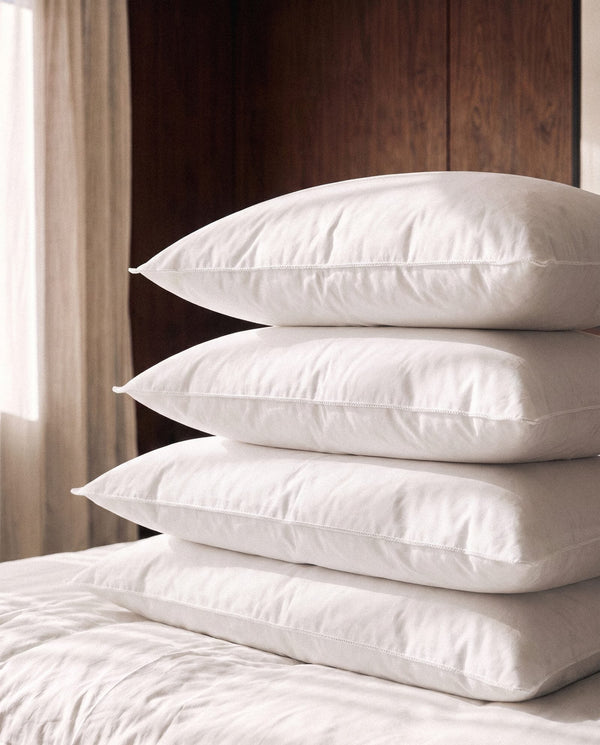
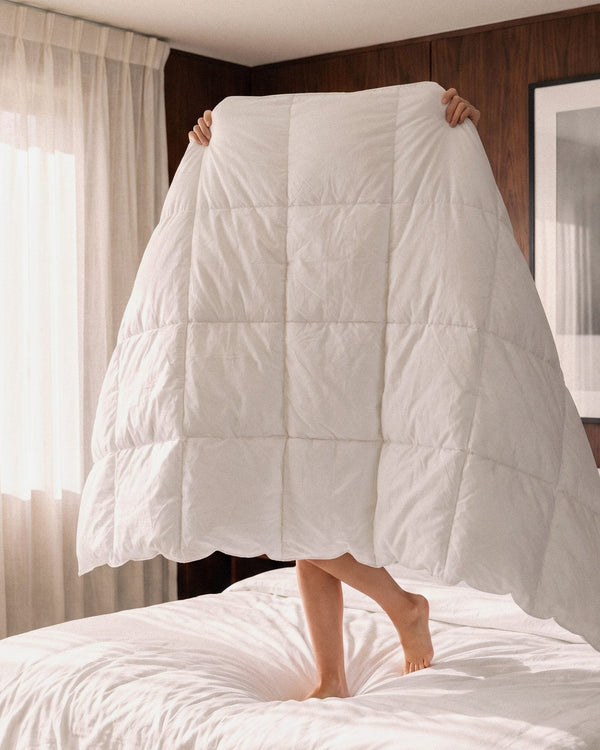
| Sense of Satisfaction down pillow and down duvet | Cotton cover, duck down and duck feather | 60 °C | Low heat with dryer balls, several rounds |
| Paisley Briggs mattress protector | Polyester | 40 °C, delicate cycle | As per label |
| Cody Lamont feather mattress topper | Cotton cover, duck down and duck feather | Not washable | Air and shake |
If you have a dust mite allergy, 60 °C matters even more. The Swedish health service 1177 recommends washing sheets at 60 °C and washing pillows and duvets at 60 °C regularly, rinsing them thoroughly.
Should you use fabric softener on bedding?
No, skip the fabric softener. It leaves a thin film on the fibres that makes cotton worse at breathing and absorbing moisture, exactly the qualities that help you sleep cool. On percale it also takes away the crispness, and on down and feather it makes the filling clump and lose its loft. If you want softer bedding, the weave and time do the work: good cotton softens with every wash. Dose detergent sparingly, because residue makes fabric rough and grey over time.
Can you tumble dry bedding?
Yes, on low heat, if the label allows it. High heat wears the cotton fibre and shrinks the fabric, so low or medium heat is gentlest. Take the bedding out while slightly damp and hang it up, and you avoid most creases. Regency Lee in Supima does best line dried. Duvets and pillows are the opposite: they must dry completely, all the way through, and a tumble dryer with a couple of dryer balls is the safest way. We go through washing and drying down and feather step by step in How to wash down and feather.
How do you wash and dry a mattress protector?
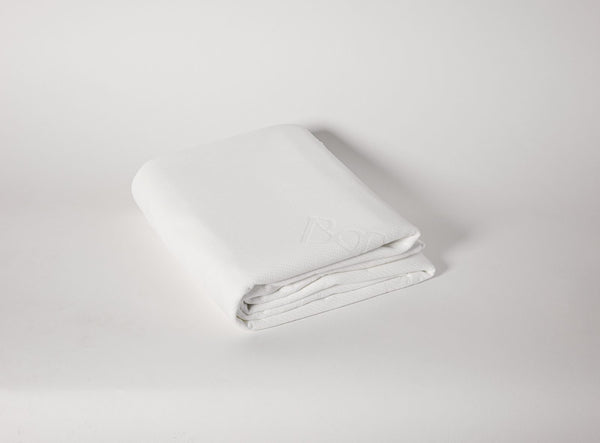
A mattress protector is washed more often than the duvet, ideally every month and always after spills. The Paisley Briggs polyester mattress protector is washed at 40 °C on a delicate cycle. Follow the label on tumble drying and choose low heat if allowed, since polyester does not tolerate high heat. Let the protector dry completely before making the bed, otherwise you trap moisture against the mattress. Why the protector is worth it, and how it works with the mattress topper, is explained in our guide to mattress protectors and toppers.
To iron or not?
That is a matter of taste. Percale gets its freshly pressed, crisp surface from a hot iron and is the weave that rewards ironing most. Supima gains extra sheen from ironing on high heat. If you would rather skip the iron: take the bedding out of the machine straight away, shake it well and hang it straight. You can also put the duvet cover on while it is almost dry, so it stretches out by itself.
How do you care for the filling between washes?
Shake the duvet and pillows every morning and air them now and then. That distributes the filling, keeps it airy and means you need to wash less often. A feather mattress topper cannot be washed, so you look after it with airing, shaking and a mattress protector underneath. How often each piece should be changed and washed is covered in How often should you change your bedding?
How to wash your bedding
- Read the label and sort: whites separately, colours separately, bedding on its own.
- Turn inside out and do up the buttons on duvet covers and pillowcases so nothing tangles.
- Wash at 60 °C with a half-full drum and mild detergent. No fabric softener.
- Dry gently: hang, or tumble dry on low heat and take out slightly damp.
- Iron, or shake and hang while the fabric is still a little damp.
- Store dry and airy, ideally one set at a time so you can rotate.
Frequently asked questions
What temperature should bedding be washed at?
60 °C for cotton bedding sets, sheets and pillowcases, if the label allows. 1177 recommends 60 °C for sheets if you have a dust mite allergy. Polyester mattress protectors are often washed cooler, Paisley Briggs at 40 °C.
Should you use fabric softener on bedding?
No. Fabric softener coats the fibres, making cotton worse at breathing and absorbing moisture, removes the crispness of percale and makes down and feather clump.
Can you tumble dry bedding?
Yes, on low heat if the label allows. Take the bedding out slightly damp and hang it up. Supima cotton does best line dried.
Can you wash a feather mattress topper?
The Cody Lamont feather mattress topper cannot be washed. Protect it with a mattress protector, shake it and air it regularly.
How often should the mattress protector be washed?
About once a month and always after spills. Let it dry completely before making the bed so no moisture is trapped against the mattress.
Our advice
Wash warm, dose sparingly and leave out the fabric softener. Those three habits do the most for how your bedding feels after a year. Keep two sets per bed if you can, so you never wash in a hurry and each set gets to rest. If you are starting from scratch, our bedding sets in percale or Supima are made to be washed often, and more care advice per product is on our Care guide page.