



Bedding and Sleep: How the Material Affects How You Sleep
Updated September 2026.
Short answer: bedding affects sleep through temperature. The body needs to cool down to fall asleep and sleep deeply, and your bedding is the layer that either lets the heat out or holds it in. Cotton bedding, especially percale, breathes and absorbs moisture, which makes it easier to sleep cool all night. Bedding does not replace good sleep habits, but it is one of the few layers you control directly.
Does bedding affect sleep?
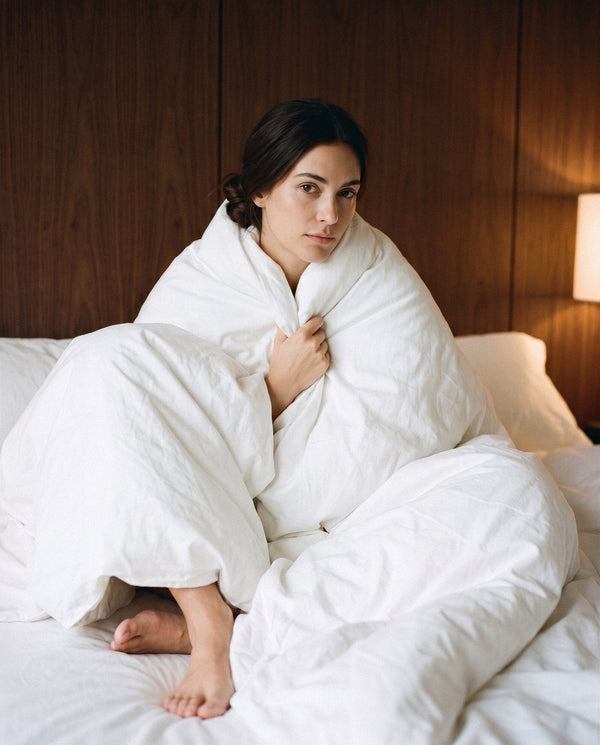
Yes, mainly through warmth. The body lowers its core temperature ahead of the night. According to the Sleep Foundation, the temperature starts to drop about two hours before you go to sleep, at the same time as the body releases the sleep hormone melatonin, and it keeps falling during the night. The body cools itself mainly by sending heat away from the core. If it gets too warm under the duvet the process slows down, and many people find their sleep becomes lighter and more broken.
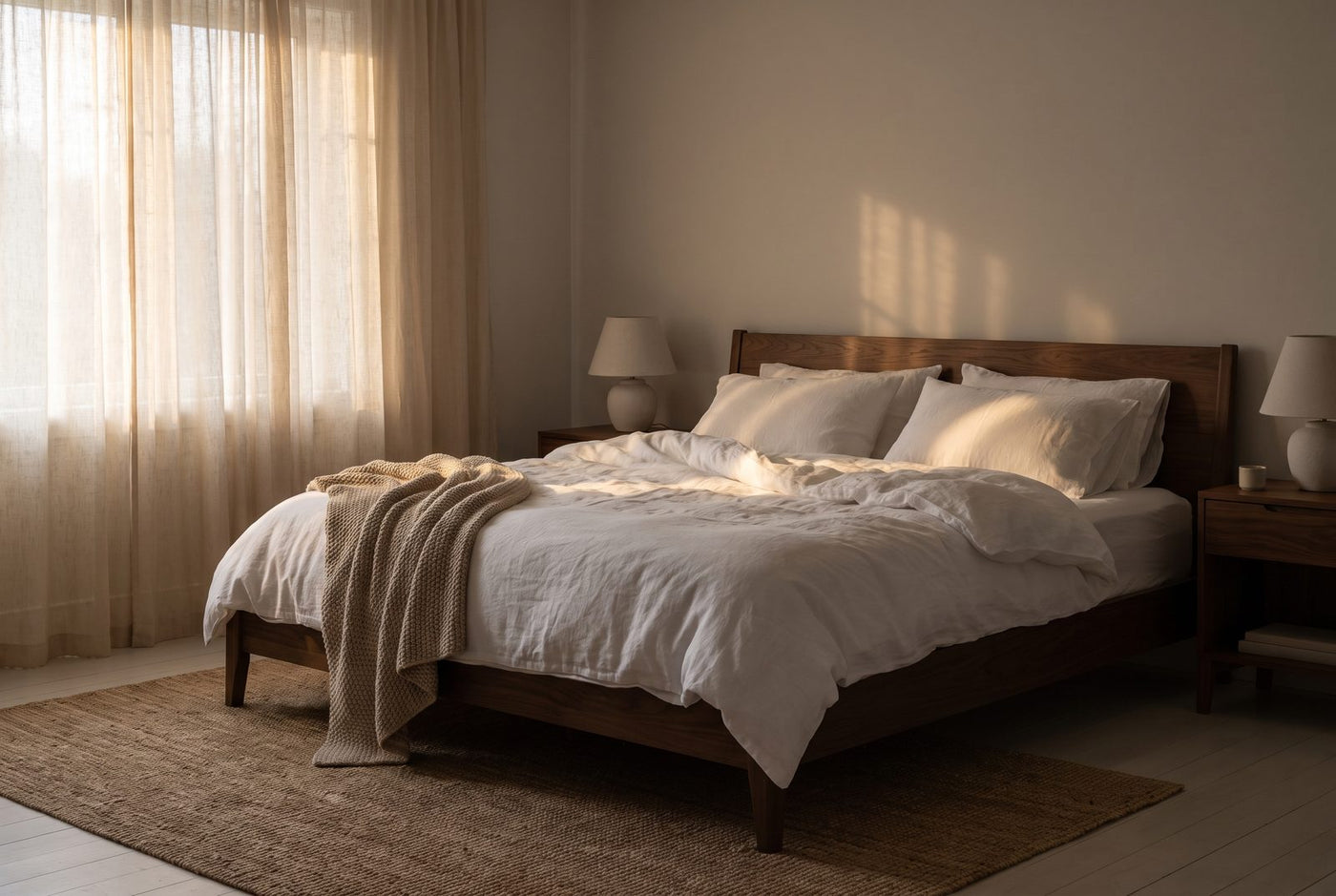
A small microclimate forms between your skin and the duvet. How warm and humid it gets depends on the fibre and weave of your bedding. That is why the material matters more than you might think.
Which bedding is coolest to sleep in?
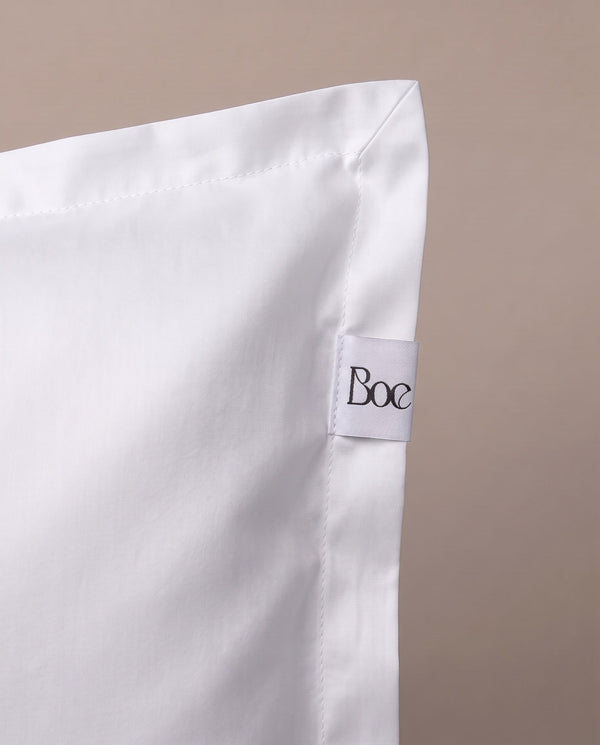
Pure cotton percale is among the coolest. The weave is dense and smooth, the threads cross one over, one under, and the surface becomes crisp and matte. Cotton absorbs moisture and releases it again, so the skin stays dry and cool. Synthetic fibres such as polyester hardly absorb moisture and can therefore feel warmer. More on that in our guide Does polyester breathe?
| Bedding | Feel | Suits you if you |
|---|---|---|
| Cotton percale, 200 threads | Cool, crisp, matte | sleep warm or want hotel crispness |
| Supima cotton, 300 threads | Smooth, soft, denser | want the softest against the skin |
| Polyester or blends | Smooth, absorbs little moisture | prioritise price and not ironing |
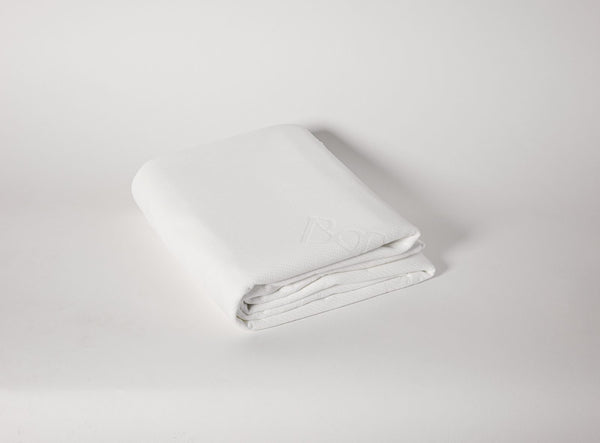
Our Ralph is woven in 100 percent cotton percale with 200 threads. To understand the feel in depth, read about percale, the crisp weave.
Percale or Supima for better sleep?
Choose percale if you sleep warm and Supima if you want the softest. Supima is American cotton with extra-long fibres, giving a more even, softer and stronger thread. Regency Lee is woven in 100 percent Supima cotton with 300 threads: a denser, smoother surface that still breathes because it is cotton all the way through. The feel against the skin matters, since a rough fabric can disturb you while a supple one makes it easier to relax.
Thread count affects the feel but is not a measure of quality on its own. Fibre length and weave matter at least as much, as we explain in Thread count explained. Both bedding sets are in the percale and Supima collections.
How warm should the bedroom be?
Cool. The Sleep Foundation gives about 18 °C (65 °F) as the best room temperature for sleep, and 1177, the Swedish national health guide, notes that it is easier to fall asleep when the bedroom is dark, quiet and cool. Your bedding does the rest: a cool room and a warm, stuffy duvet cancel each other out. Our advice on the room itself is in the guide to the best bedroom temperature.
Do the duvet and pillow matter?
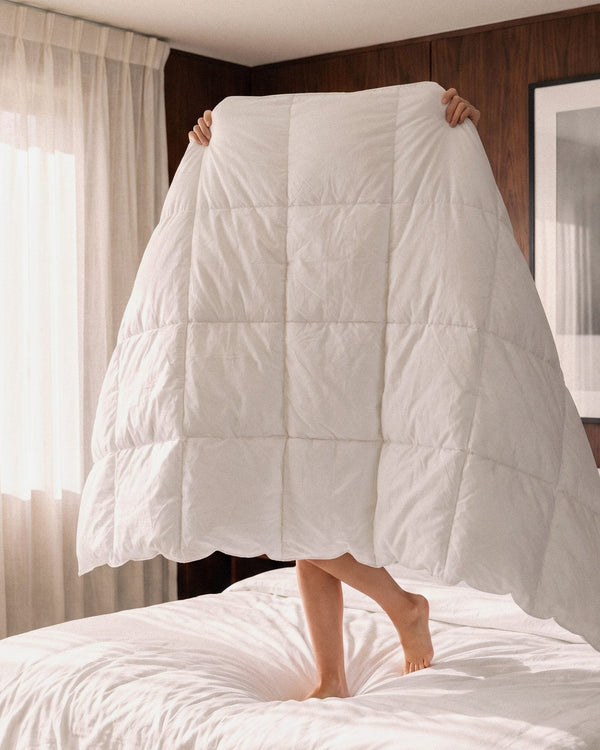
Yes, the duvet is what regulates warmth. The sheet provides coolness and breathability next to the skin, while the duvet should suit the season and how warm you run. Many people sleep better with a lighter duvet in summer and a warmer one in winter than with a single duvet all year. A Funky Dream Hotel Duvet is the same fibre duvet ESS Group's hotels make their beds with, cool and washable at 60 °C. How to choose warmth and size is covered in How to choose the right duvet.
Why does clean bedding matter?
You spend roughly a third of each day with your skin against the sheet. So it is reasonable to want to know what the fabric contains and to be able to wash it often. Ralph and Regency Lee are certified to OEKO-TEX Standard 100, meaning the fabric has been tested for harmful substances, and both can be washed at 60 °C. How to care for them is in our bedding care advice.
How to make your bed for a cooler night
- Choose cotton next to the skin. Percale if you sleep warm, Supima if you want the softest.
- Match the duvet to the season instead of kicking it off in the middle of the night.
- Keep the bedroom cool, ideally around 18 °C, dark and quiet.
- Air the bed every morning so the moisture from the night can disappear.
- Change and wash your bedding regularly. Freshly washed feels cooler and fresher.
Frequently asked questions
Which bedding is coolest to sleep in?
Pure cotton percale is one of the coolest choices. The dense, smooth weave makes the fabric crisp and airy, and the cotton absorbs moisture, helping the body release heat. Ralph in 200-thread percale is an example.
Does bedding really affect sleep?
It can. The body needs to cool down to sleep deeply, and bedding controls the microclimate next to the skin. A breathable natural material makes it easier to keep the temperature even all night.
What is the difference between percale and Supima?
Percale is a weave, crisp and cool. Supima is a type of cotton with extra-long fibres that gives a smoother surface. Percale suits those who want cool and crisp, Supima those who want the softest. Both are cotton and breathe.
How warm should the bedroom be?
Cool. The Sleep Foundation gives about 18 °C as a guide, and 1177 notes that it is easier to fall asleep in a dark, quiet and cool room.
Does thread count matter for sleep?
It affects the feel but is not a measure of quality on its own. Fibre length and weave matter at least as much. Percale with 200 threads and Supima with 300 threads give two different, equally considered experiences.
Our advice
Start with what lies closest to your skin. If you sleep warm, a percale bedding set is the simplest change you can make, and if you want it softer, Supima is the way to go. Add a duvet that suits the season and a cool bedroom. These are no miracles, just the parts of the night you can actually influence, night after night.