



Natural Materials or Synthetic in Bed: Does Polyester Breathe?
Updated September 2026.
Short answer: polyester breathes less well than cotton against the skin. Polyester is a synthetic fibre that absorbs very little moisture, so the moisture from the night stays put and it feels warmer. Cotton absorbs moisture and releases it again, which is why it feels cooler. In the filling it is different: there, synthetic fibre is a good, easy-care choice. So think in layers: cotton next to the skin, down or fibre in the duvet.
What does it mean that a material breathes?
A fabric breathing is about two things: how easily air passes through the weave and how the fabric handles the moisture your body gives off at night. The second is what you notice most. A fabric that absorbs moisture and lets it evaporate feels dry and cool. A fabric that does not absorb moisture leaves it against the skin, and then it gets warm and clammy.
The fibres differ at a basic level. Cotton is a natural fibre that draws in moisture. Polyester does the opposite and hardly absorbs moisture at all. The weave then decides how airy the fabric is: a smooth, dense percale feels airier than you might think, because the threads cross one over, one under.
Is polyester synthetic?
Yes. Polyester is a synthetic, man-made fibre produced from plastic, most often polyethylene terephthalate (PET). Wikipedia describes polyester as a common man-made fibre in textiles and clothing, partly because it has low water absorption and is relatively durable. Synthetic is the umbrella term for fibres made chemically, as opposed to natural materials such as cotton, linen fabric, wool, down and feathers.
Does polyester breathe?
Polyester breathes poorly against the skin. Because the fibre absorbs so little moisture, the moisture from the night stays between skin and fabric, which can feel warm and stuffy. That does not make polyester a bad material. It is hard-wearing, creases little and dries fast, but in a sheet or duvet cover it rarely gives you a cool night. A comparison of polyester and cotton sheets reaches the same conclusion: cotton breathes better and absorbs moisture.
Which material breathes best in bed?
Cotton next to the skin, in an airy weave such as percale. This is how the most common materials compare:
| Material | Type | Against the skin | Best for |
|---|---|---|---|
| Cotton percale | Natural | Cool, crisp, absorbs moisture | Sheets and duvet covers, warm sleepers |
| Supima cotton | Natural | Smooth, soft, absorbs moisture | Sheets and duvet covers, if you want the softest |
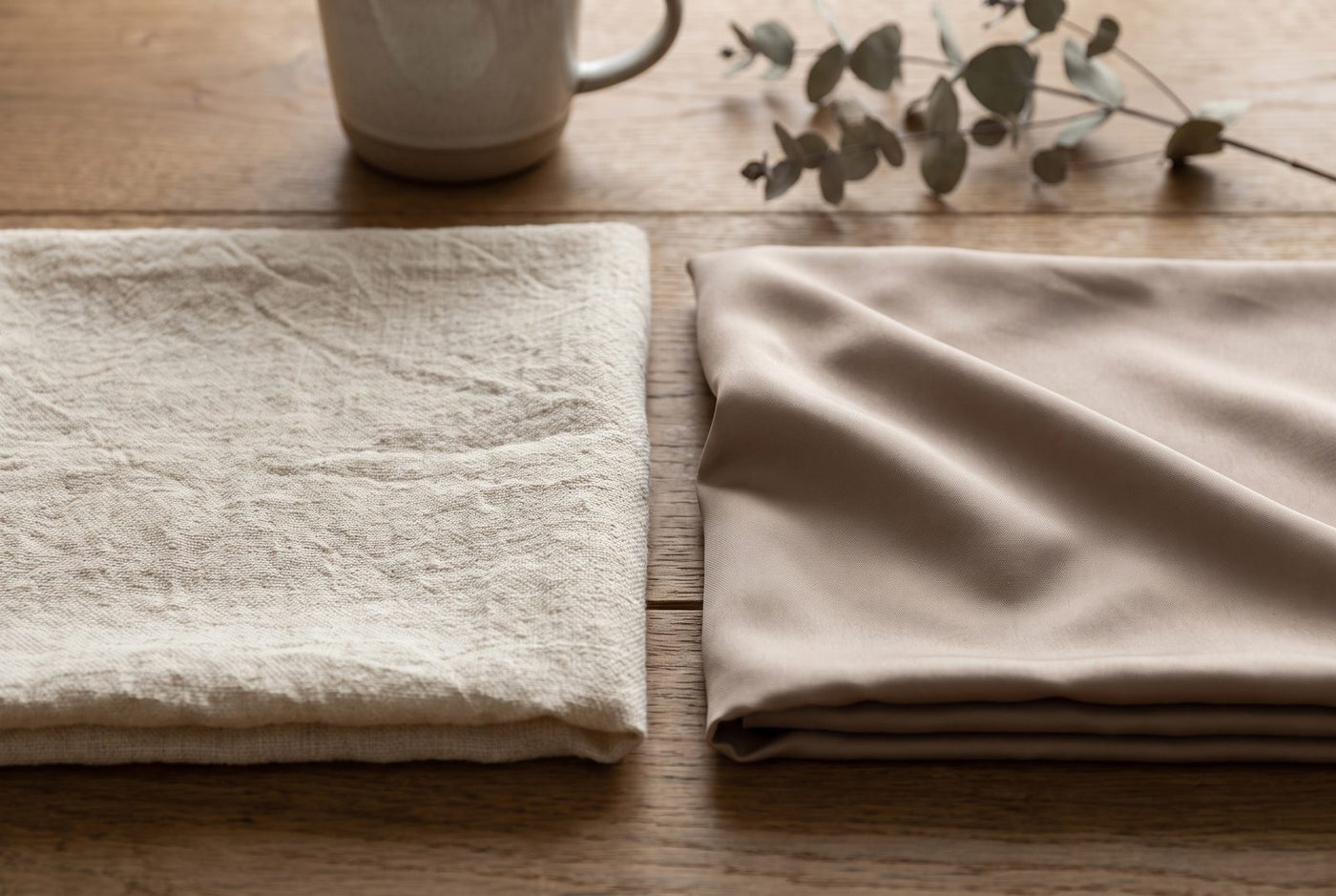
| Linen fabric | Natural | Airy, rougher surface | A relaxed, rumpled look |
| Polyester | Synthetic | Hardly absorbs moisture, can feel warm | Hard-wearing, easy-iron textiles |
| Down and feathers | Natural | Not against the skin | Filling, light and warm |
| Siliconised fibre | Synthetic | Not against the skin | Filling, keeps its shape, easy care |
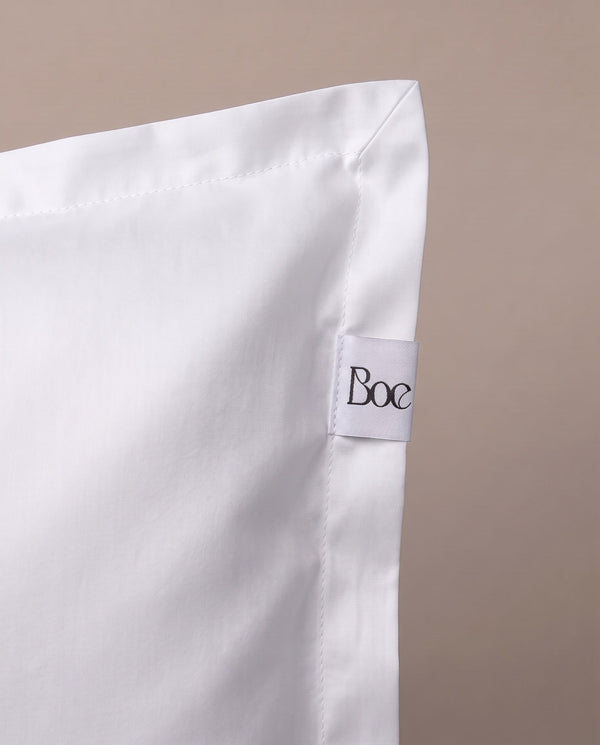
Our bedding sets are made of cotton. Ralph is woven in 100 percent cotton percale with 200 threads, cool and crisp. Regency Lee is woven in 100 percent Supima cotton with 300 threads, softer and denser. Both are OEKO-TEX certified. More on how weave and thread count affect the feel is in Thread count explained.
Polyester duvet covers: good or bad?
It depends on your priorities. A duvet cover in polyester or a cotton-polyester blend is cheap, creases little and dries fast. But it absorbs less moisture than pure cotton, and warm sleepers notice the difference. If you want a cool night, a pure cotton duvet cover is the safe choice. If you want something that never needs ironing and lasts for years at a low price, a blend is a reasonable choice.
Down or synthetic in the duvet?
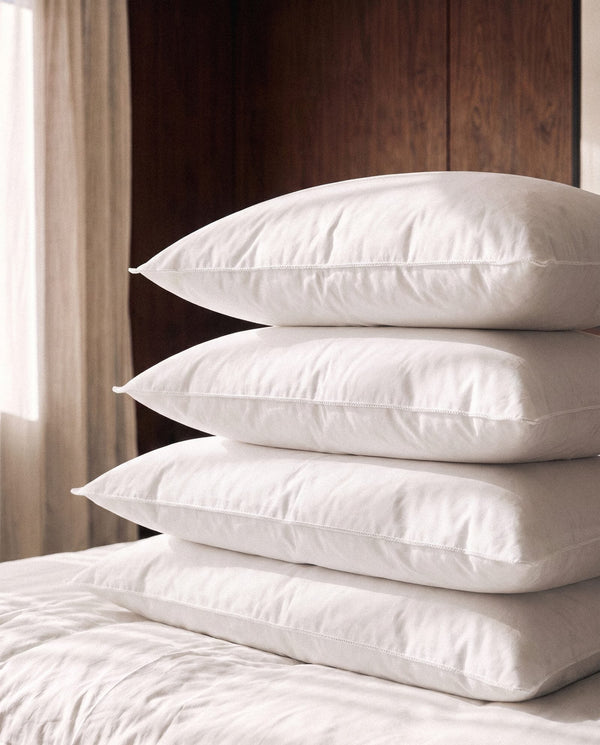
Both work here. The filling does not lie against the skin, so its job is to keep the warmth even, not to feel cool. Down and feathers are light and warm efficiently. Siliconised fibre is synthetic, keeps its shape and is easy to wash at home.
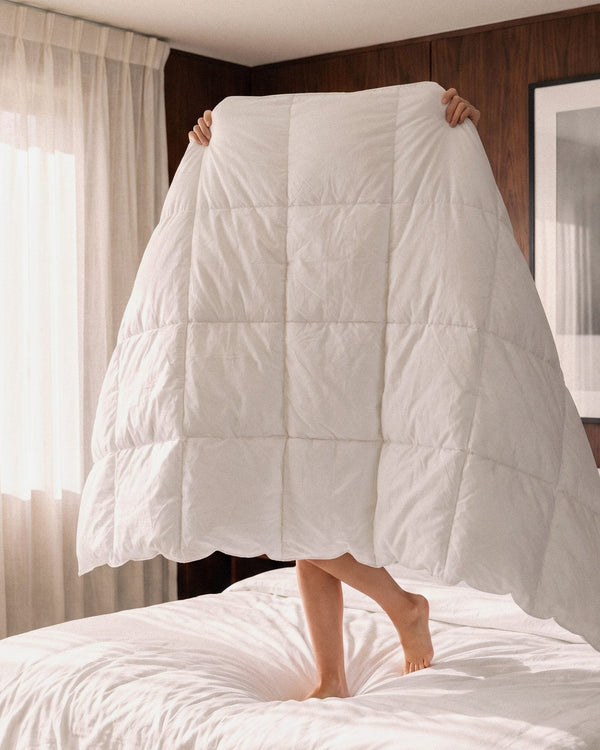
A Funky Dream Hotel Duvet is filled with siliconised hollow polyester fibre in a 100 percent cotton shell and can be washed at 60 °C. It is the same duvet ESS Group's hotels make their beds with. If you prefer down, Sense of Satisfaction Down Duvet is filled with 60 percent duck down and 40 percent duck feather. The full comparison is in our guide to down and feathers, and if you are sensitive you can read more about allergy-friendly bedding.
How to choose materials, layer by layer
- Next to the skin: choose cotton. Percale if you sleep warm, Supima if you want the softest.
- Avoid pure polyester sheets if you easily get warm or sweat at night.
- Choose the filling by care and feel. Down for lightness, siliconised fibre for easy washing at home.
- Adjust warmth by season with the duvet, not the sheet.
- Read the care label. Bedding that handles 60 °C is the easiest to keep fresh.
How the material affects sleep itself is covered in bedding and sleep.
Frequently asked questions
Does polyester breathe?
Poorly, compared with cotton. Polyester hardly absorbs moisture, so the moisture from the night stays against the skin and it can feel warm. As a duvet filling, however, synthetic fibre works well.
Is polyester synthetic?
Yes. Polyester is a synthetic fibre made from plastic, most often PET. It is hard-wearing, but absorbs very little water.
Which material breathes best in bedding?
Cotton, especially in an airy weave such as percale. Cotton absorbs moisture and releases it again, so it feels cool and dry all night.
Is a synthetic filling worse than down in a duvet?
No, they are two different choices. Down is light and warms efficiently, siliconised fibre keeps its shape and is easy to wash at home. Choose by whether you value lightness or easy care.
Can I combine cotton sheets with a synthetic-filled duvet?
Yes, and it is a good combination. The cotton handles the cool layer against the skin and the fibre duvet gives even warmth and easy care.
Our advice
Put cotton next to the skin and choose the filling by how you want to care for it. If you sleep warm, percale is the coolest thing you can make your bed with, and if you want it softer there is Supima. In the duvet, synthetic fibre does an excellent job, as long as the sheet and duvet cover next to your skin are cotton.